 |
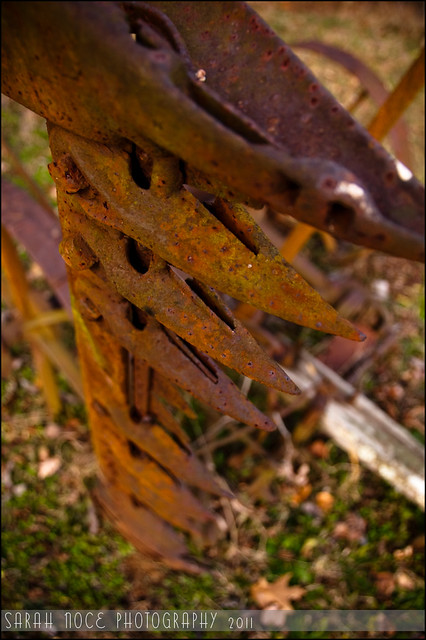
| Whatever this farm implement is, I'm guessing we won't need one. |
I originally entitled this post "short and long term goals", but the word goal has always bothered me because it suggests that you have failed if you don't achieve whatever it was you set out to do. I am, however, very much a planner and much prefer making plans to setting stupid and potentially unattainable goals and thus setting myself up for disappointment. Plans are much more flexible than goals in my mind - they can be tweaked as circumstances present themselves. So since we're embarking on a pretty fantastic adventure, I though it would be interesting to map out (you know how I love maps - even mind maps) some things floating around in the old noggin that have to do with our future at the holler.
Paying off the land is one long-term plan, and we're hoping to do that sooner rather than later, but since we have no form of income lined up (yet), I'm just going to assume that will take 20 years since that's how long our mortgage is amortized for.
I think short-term plans are a bit more fun to fixate on, so here's the quick and dirty on what we hope to accomplish in the next two years:
Mid 2012: Sell our house and move. Hoping to walk away with a little cash, but if that doesn't happen, we should still have enough of a nest egg to take care of our financial obligations (debt and utilities), ourselves (food, including the pets), and vehicle maintenance for two years.
Late 2012/early 2013: Figure out what farm implements we think we will need and purchase them now while we have cash. I'm still not sure if we need a tractor and think an ATV might suit our needs better, but Jay might be on the tractor side of the fence. I can see the benefit of a tractor for moving things around, but I'm not sure how much will need to be moved anyway due to the permaculture-based approach we plan to take to growing plants and raising animals. Plus, riding ATVs is fun!
Early 2013: Finish the garden infrastructure (this sounds ambitious, but I plan to work on it from the moment we get out there and until my fingers freeze off in the depths of winter). Although I think it would be fun to have a fall 2012 garden if we get out there in time for it, I'm more interested in establishing the infrastructure needed for our long-term growing needs. I've found that filling raised beds with compost in the fall and letting it mellow out over winter worked great for spring planting for me in the past (albeit on a much smaller scale). A spring 2013 garden is essential in my mind for starting our food growing quest. I would like to have the entire garden base according to my OCD plan in place by fall 2013 and be using cover crops by that summer to minimize the need to purchase more organic matter.
 |
| A rainy afternoon in town. |
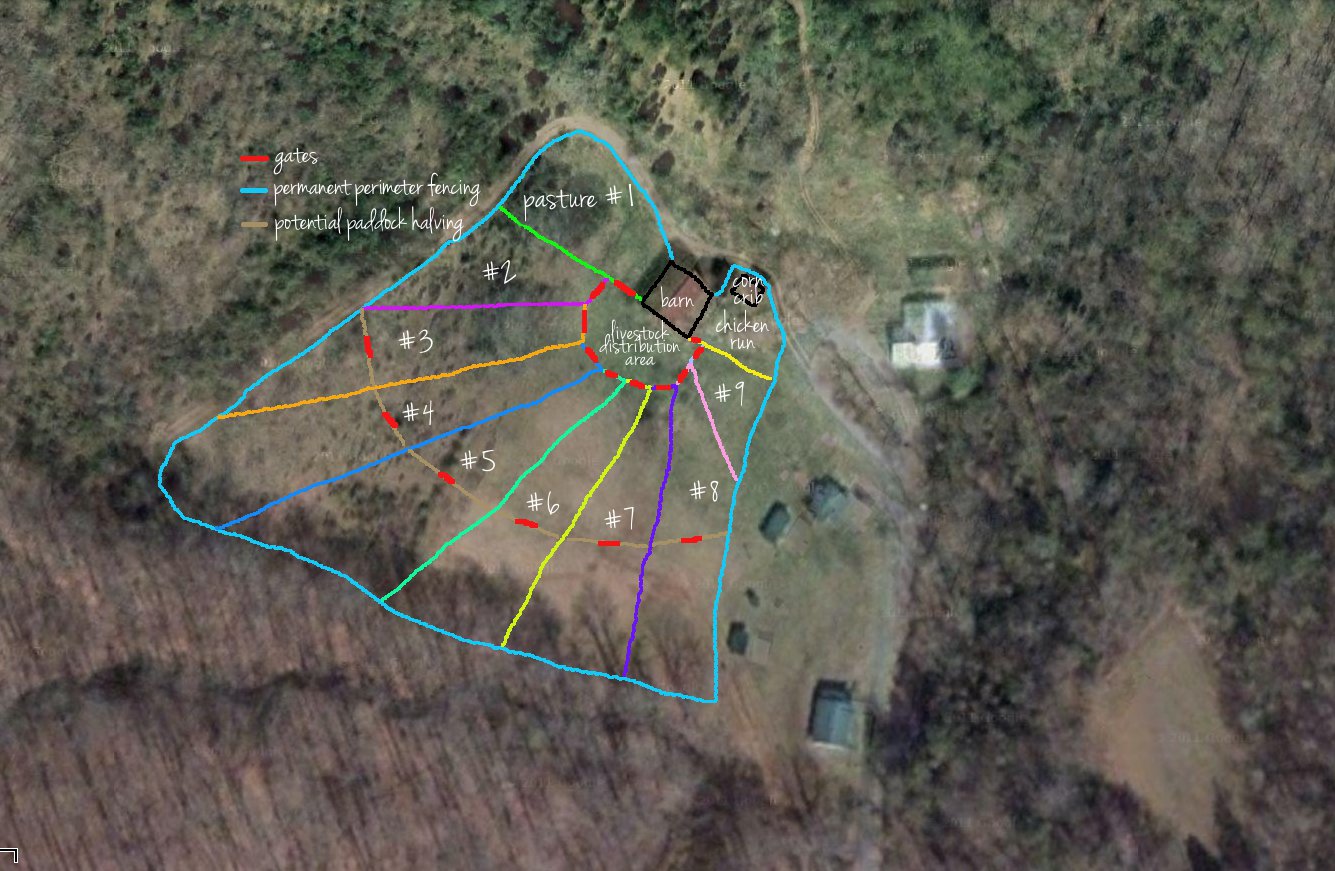
Early 2013: Start fencing in areas for livestock. Again, fencing costs money, so we want to get going on that while we have it to spare. Temporary fencing is one option to save on costs, and I don't mind the idea of having to move it around regularly according to my paddock/pasture rotation plan. However, permanent fencing is preferable if affordable enough.
Early 2013: Acquire the start of our farm animal (aka, protein and dairy source) menagerie. I suppose that breeding stock would be logical first purchases, but I'm not sure if I want to dive right in with that or just get some trial animals to see how we do and then move on to semi-permanent animals that we will use for producing more animals. I don't want to overwhelm ourselves with too much at once, but making those purchases as soon as possible would be advantageous. I would really like to eat home-grown bacon by the 2013 slaughter season.
Early 2013: Clear the area for the forest garden and plant fruit trees (I'm not really sure when fruit trees are supposed to be planted, but at least the area can be cleared). How we go about clearing the area depends on what farm implements we decide to purchase. I think a bush hog would be a worthy investment because it would likely have a lot of use in years to come and can be pulled by either tractor or ATV. I'm starting to think that we may not need a bush hog at all if we get animals that actively forage and don't have finicky palates (especially if our goal is to eliminate commercial feed costs).
Mid 2013: Start preserving the garden harvest in the form of canning, freezing, and/or root cellaring.
Mid 2014: Start making money in some form or other. Probe the local community for what niches might be filled with our skills. We have quite a few ideas and are striving to find income streams that can be home(stead)-based because we would like to avoid taking jobs away from the locals, and plus, we want to be working on the farm, not a nine-to-five (or even a nine-to-noon). But we must remain realistic in that regard because bills must be paid, and we don't pay bills late. As scary as being unemployed sounds, I'm convinced that we can make a home-based income work.
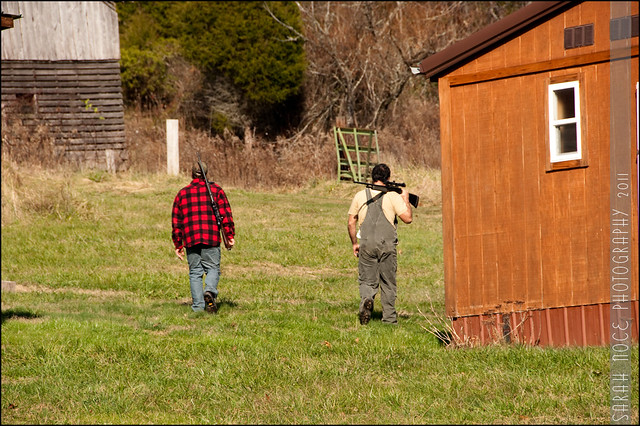
Whenever: Kill some deer on our land. Venison is delicious, and I'm really excited about eating it.

The sooner we start these projects, the sooner we'll be prepared to live the lifestyle we yearn for if we're able to earn a modest income (or return to the work force if we need to resort to that to pay our bills). These may sound like laborious chores to most people, but we can't wait to get started on what we see as interesting projects that will bring us closer to our homesteading goal (gasp, that word!). Jay's thoughts differ somewhat in that he more willing to find a real job sooner than what I have in mind, but we're on the same page with regard to infrastructure (and eating homegrown pork as soon as possible!).
~ Mitsy
The sooner we start these projects, the sooner we'll be prepared to live the lifestyle we yearn for if we're able to earn a modest income (or return to the work force if we need to resort to that to pay our bills). These may sound like laborious chores to most people, but we can't wait to get started on what we see as interesting projects that will bring us closer to our homesteading goal (gasp, that word!). Jay's thoughts differ somewhat in that he more willing to find a real job sooner than what I have in mind, but we're on the same page with regard to infrastructure (and eating homegrown pork as soon as possible!).
~ Mitsy