Showing posts with label farm infrastructure. Show all posts

Friday, April 27, 2012

the grass was a bit grownup

As we anticipated, our lovely lawn was somewhat of a wild tangle when we were able to take a good look at it after the sun came up the day after we arrived. Jay diligently assembled my reel mower that was waiting for us on the front porch courtesy of UPS and fine tuned the blades for me, but after a few valiant pushes and the tall grass gracefully bending over and popping right back up again, we headed for the nearest Devil-Mart and forked over the cash for their best gas self-propelled push mower.

Sorry, buddy, but you're confined to the shed for the time being.

I should mention that the reel mower did do a fine job on the narrow strip of grass on the side of the house that was blocked by drainage pipe that Jay didn't bother moving out of the way since he had about a zillion other square feet to mow. I used my reel mower there. I'm ashamed to say I became slightly out of breath. It was maybe three hundred square feet total. Yes, you can laugh.

In the meantime, we have secured the mowing services of our neighbor's brother to keep that wiley grass in check until we get out there permanently.

I WILL use that push mower once we get the garden established to keep the paths manicured.

Jay learned the hard way to wear a t-shirt and sunscreen whilst mowing almost an acre of lawn
with a push mower. Blisters surfaced. Solarcaine was purchased.

That second picture is a bit misleading. The weather decided to become an asshole for the majority of our visit. Apparently we brought shitty Cali weather with us, and it's all nice and warm at the holler again now that we've left. I decided to be positive about it and enjoy the coolness because I know that even though I enjoy hot weather, I will probably melt during our first few summers until my body acclimates to the southern heat and humidity.

Next up, being incommunicado kinda blows (but we'll figure something out)! 

~ Mitsy

Friday, March 16, 2012

food forest planning (aka, i might be overdoing it a bit with the fruit)

I have a spreadsheet file that includes an embarrassingly large number of sheets devoted to growing things, a large percentage of which cover our future fruit trees, brambles, and bushes. and no, you still can't see it This is because I have trouble just picking a fruit-bearing specimen and must instead lay out all the attributes of each variety so that I may zero in on the ones best suited to our geographic location and climate and preferences. I like to pretend like I know what I'm doing

For some reason, I don't have this affliction (at least not as bad) with garden fruits and vegetables, probably because if something doesn't work out one year, I can always try another variety the next year (except for perennial vegetables, but there's only a few of those); trees, brambles, and bushes, on the other hand, must actually survive year after year and require a serious commitment of time, energy, and money, so the selection process is much more complicated for me. We're talking about our future food source here, people - this is important stuff.

There are many factors to consider when making such choices. Important ones include pollination requirements, minimum chill hours (this is still somewhat of a mystery to me, but I'm going to take my friend Anna's advice and just get trees that are not "low chill"), and disease resistance. (Truthfully, I haven't really delved into the disease resistance of any of these varieties because I'm not adverse to babying them somewhat, but if y'all have any suggestions or see me making some horrible mistakes here, lemme know. I'll pay you back for your expertise with bushels of your favorite fruit that you helped me grow!) Other considerations I deem important are harvest times (trying to spread the harvest out among several varieties of a particular species as long as possible), keeping capability, and flavor, of course.

Sadly, in addition, I need lots of COLORS. I can't be content with plain old red apples or purple plums. Honestly, it probably won't matter much to the locals that are my future customers, but I envision a honor farm stand that is just bursting forth with every color imaginable because of my judicious and thorough selection of fruits and vegetables and that ends up being a roadside attraction where the locals congregate and shoot the shit at. Like a bar. But since we're in a semi-dry county, a produce bar. HA.

Anyhoo, these are my selections:
  • Apples: Red Delicious (red), Granny Smith (green), Yellow Newton Pippin (gold/green), Golden Delicious (gold), Ashmead Kernal (russett), Arkansas Black Spur (dark red) and Gravenstein (green with red stripes).
  • Raspberries: Red Heritage (red) and Fall Gold (gold). duh
  • Plums: French Improved (purple), Methley (red), and Green Gage (green).
  • Cherries: Craig's Crimson (nearly black), Sweetheart (red), and Rainier (yellow with blush).
  • Pears: Red D'Anjou (red), Bosc (russett), and Blake's Price (golden). 
  • Blueberries: Patriot, Bluecrop, and Chandler for 90+ days of fruit.
  • Blackberries: Choctaw, which is the earliest ripening blackberry on the planet so that we can eat some fruit other than cherries in May (May might be a stretch; June is more likely. Still, that's early for blackberries).
  • Apricots: Harcot (red blush) and Gold Cot (golden yellow).
  • Peaches: Loring (yellow).
  • Nectarines: Mericrest (red/yellow) and Arctic Blaze (red/white).
kill me now, please

That's 21 fruit trees plus a shitload of brambles and bush fruit. It's fucking insanity, I know, but if I'm going to have a forest garden, I want it to be a literal forest. That I can sit in under trees in the shade and read a book to the dog while the chickens eat fruit tree nemeses and fertilize them and probably peck at my feet (hard) because they're mean fuckers like that.

And this doesn't even take into account the six citrus varieties that I plan to shuffle into the cabin at the first sign of fall frost. Maybe a cheap greenhouse really is in order - not for growing vegetables but for providing a suitable climate for those sissy citrus plants.

I should mention that I plan to keep all our fruit trees confined to a 10'x10' (or even smaller) canopy spread and height via aggressive pruning. And the citrus trees will be kept to potted plant size to facilitate their being brought into the greenhouse (otherwise known as: being demanding).

In case you needed a visual representation of the fruit color spectrum. It's ok, I did, too.
[ pinterest link here ]

Now that we have this frightening part of my mentality bared for all to see, let's go get (apple)sauced, folks, cuz it's Friday, woot woot!

~ mitsy

Friday, March 9, 2012

swimming ponds

One thing I've hinted at before that I want for our homestead is a pond. While I don't think a large pond meant for livestock watering needs makes much sense considering the lay of our land, I can't stop thinking about how awesome it would be to have a small water feature that's meant just for us. Something that we (and maybe even the dogs) can cool off in during the summer that also enhances the landscape. Set a few plastic chairs in the shallow part and read a good book drinking Coronas on a hot summer day. Bliss!

In researching small ponds, I came to discover what they call natural swimming pools, or swimming ponds. Basically, you have a water feature that includes a deep(er) area for swimming and a connected shallow area that is filled with bog plants that clean the water naturally. No chemicals, looks lovely, and has a functional purpose, to boot.

I found a few images that are kinda what I have in mind:

[ image credit ]

[ image credit ]

Since I couldn't find exactly what I envisioned on the interwebs, I threw a drawing together in Sketchup:

Kinda like a giant hot tub. Except not hot and not a tub. But good to sit in anyway.

Idyllic, no?

As back breaking as it might seem, I think this could be shoveled out over a few weekends and not require a backhoe.

So the darker part is the swimming (really, more a soaking) area, and the lighter ring around it would be the bog where the plants grow to filter the water. I threw some koi fish in there, too, for shits and giggles.

There's Jay testing the water to make sure it's safe for me and Clyde Dog to swim in (and looking extra cool in the process). Clyde Dog would no doubt also sit with me quite contentedly while I drink Mexican beer and read Dean Koontz novels and glossy farm magazines and soak my feet (and possibly take a nap). Barker would probably not be too interested, and they didn't have an American Bulldog model in Sketchup, so I didn't include him. It will definitely need to be fenced off from the rogue chicken gang, though, because swimming in bird poop is not my idea of a relaxing good time.

Location-wise, I think an ideal spot might be the bermed area above the cabin. It sounds frightening to have a body of water positioned above our abode, but this spot gets a lot of runoff during storms and there's actually an existing ditch that I could connect the swimming pond to, making it all the easier to fill it and keep it full.

Like this:

You can sorta make out the
north/south ditch just to the right...

This area has lots of nice shade in the summer. Yes, yes I think a swimming pond is quite in order. And if you come help me dig it, I'll let you swim/soak in it anytime you want. REALLY. help me


Sayonara, fishies, enjoy the weekend!

~ Mitsy

Thursday, March 8, 2012

short and long term plans

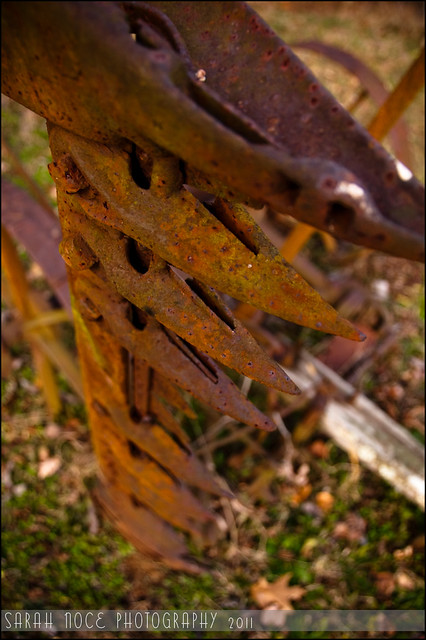
Whatever this farm implement is, I'm guessing we won't need one.

I originally entitled this post "short and long term goals", but the word goal has always bothered me because it suggests that you have failed if you don't achieve whatever it was you set out to do. I am, however, very much a planner and much prefer making plans to setting stupid and potentially unattainable goals and thus setting myself up for disappointment. Plans are much more flexible than goals in my mind - they can be tweaked as circumstances present themselves. So since we're embarking on a pretty fantastic adventure, I though it would be interesting to map out (you know how I love maps - even mind maps) some things floating around in the old noggin that have to do with our future at the holler.

Paying off the land is one long-term plan, and we're hoping to do that sooner rather than later, but since we have no form of income lined up (yet), I'm just going to assume that will take 20 years since that's how long our mortgage is amortized for.

I think short-term plans are a bit more fun to fixate on, so here's the quick and dirty on what we hope to accomplish in the next two years:

Mid 2012: Sell our house and move. Hoping to walk away with a little cash, but if that doesn't happen, we should still have enough of a nest egg to take care of our financial obligations (debt and utilities), ourselves (food, including the pets), and vehicle maintenance for two years.

Late 2012/early 2013: Figure out what farm implements we think we will need and purchase them now while we have cash. I'm still not sure if we need a tractor and think an ATV might suit our needs better, but Jay might be on the tractor side of the fence. I can see the benefit of a tractor for moving things around, but I'm not sure how much will need to be moved anyway due to the permaculture-based approach we plan to take to growing plants and raising animals. Plus, riding ATVs is fun!

Early 2013: Finish the garden infrastructure (this sounds ambitious, but I plan to work on it from the moment we get out there and until my fingers freeze off in the depths of winter). Although I think it would be fun to have a fall 2012 garden if we get out there in time for it, I'm more interested in establishing the infrastructure needed for our long-term growing needs. I've found that filling raised beds with compost in the fall and letting it mellow out over winter worked great for spring planting for me in the past (albeit on a much smaller scale). A spring 2013 garden is essential in my mind for starting our food growing quest. I would like to have the entire garden base according to my OCD plan in place by fall 2013 and be using cover crops by that summer to minimize the need to purchase more organic matter.

A rainy afternoon in town.

Early 2013: Start fencing in areas for livestock. Again, fencing costs money, so we want to get going on that while we have it to spare. Temporary fencing is one option to save on costs, and I don't mind the idea of having to move it around regularly according to my paddock/pasture rotation plan. However, permanent fencing is preferable if affordable enough.

Early 2013: Acquire the start of our farm animal (aka, protein and dairy source) menagerie. I suppose that breeding stock would be logical first purchases, but I'm not sure if I want to dive right in with that or just get some trial animals to see how we do and then move on to semi-permanent animals that we will use for producing more animals. I don't want to overwhelm ourselves with too much at once, but making those purchases as soon as possible would be advantageous. I would really like to eat home-grown bacon by the 2013 slaughter season.

Early 2013: Clear the area for the forest garden and plant fruit trees (I'm not really sure when fruit trees are supposed to be planted, but at least the area can be cleared). How we go about clearing the area depends on what farm implements we decide to purchase. I think a bush hog would be a worthy investment because it would likely have a lot of use in years to come and can be pulled by either tractor or ATV.  I'm starting to think that we may not need a bush hog at all if we get animals that actively forage and don't have finicky palates (especially if our goal is to eliminate commercial feed costs).

Mid 2013: Start preserving the garden harvest in the form of canning, freezing, and/or root cellaring.

Mid 2014: Start making money in some form or other. Probe the local community for what niches might be filled with our skills. We have quite a few ideas and are striving to find income streams that can be home(stead)-based because we would like to avoid taking jobs away from the locals, and plus, we want to be working on the farm, not a nine-to-five (or even a nine-to-noon). But we must remain realistic in that regard because bills must be paid, and we don't pay bills late. As scary as being unemployed sounds, I'm convinced that we can make a home-based income work.

Whenever: Kill some deer on our land. Venison is delicious, and I'm really excited about eating it.


The sooner we start these projects, the sooner we'll be prepared to live the lifestyle we yearn for if we're able to earn a modest income (or return to the work force if we need to resort to that to pay our bills). These may sound like laborious chores to most people, but we can't wait to get started on what we see as interesting projects that will bring us closer to our homesteading goal (gasp, that word!). Jay's thoughts differ somewhat in that he more willing to find a real job sooner than what I have in mind, but we're on the same page with regard to infrastructure (and eating homegrown pork as soon as possible!).

~ Mitsy

Tuesday, March 6, 2012

garden planning: vegetables + fruits

In true Mitsy McPlanner fashion, I've scoured heirloom seed sources and already selected the vegetables and fruits (and herbs and ground covers and wildflowers, oy) I wish to grow in our future half-acre garden. This list will no doubt change somewhat as I over-analyze what we will need, but it's fun to figure out what we should grow to satisfy our individual appetites and tastes.

In selecting our future garden bounty, I found it helpful to really evaluate what we enjoy eating regularly that's easy to prepare and quick to clean up. Our breakfast and lunch routines tend to differ (although we both agree that I make a mean biscuits and gravy) and we usually either just eat leftovers or fend for ourselves in that regard, so I'm going to focus on what we like for dinner since I enjoy cooking, especially when accompanied by a few glass of wine, a couple shots of whiskey, or ice-cold Coronas in the summer (or all three). Suffice to say, the dog loves cleaning up after me.

I tend to make a lot of wrap/burrito/gordita/taco-type meals, which oftentimes includes a cabbage variety, meat, onions, perhaps julienned carrots, some sort of nut (pine nuts are a fave but are freaking expensive), and a crumbly cheese (usually feta or cotija), all tossed together with a homemade vinaigrette (extremely spicy - we like it hot) and wrapped up in a flour tortilla. This quick meal works great for us because Jay can omit the cheese and nuts if he prefers, he gets lots of meat, I get lots of vegetables, it's crunchy and fresh, and it's relatively easy to clean up (one pan for cooking the meat and one large bowl for mixing everything together).

I make a lot of stir-fry that generally includes thinly sliced chicken or beef, a sauce that I throw together (from oil, vinegar, mustard, mirin, honey, garlic, fruit juice, and whatever leftover store-bought sauce is sitting in the door of the fridge, if any), white rice, and any vegetables I have on hand. I usually like a garnish of some slivered almonds and/or sesame seeds.
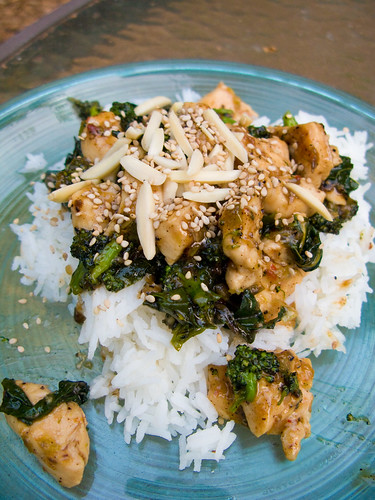
Mitsy's chard-alicious stir-fry.

Pasta is another regular on our menu, and we oftentimes eat spaghetti once a week. or more We love penne with pesto, especially when I make it from the chard or kale that is threatening to take over the garden. I love aglio olio (garlic and olive oil) linguine or fettucine with sauteed sundried-tomatoes, pine nuts, onions, bacon, broccoli, and parmesan.
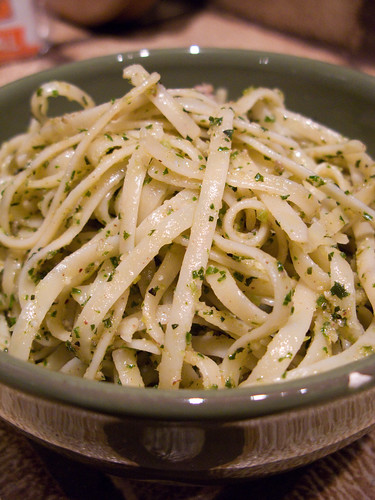
You can make pesto out of any savory green
(a splash of vinegar when mixing it all in the food
processor makes it even better). Take that, basil!

I enjoy having lots of greens handy for garden salads and really can't get enough red leaf, green leaf, romaine, and butter lettuce. Jay will usually eat a salad with whatever other dinner fixings I've prepared but really likes it when I make a vinaigrette-based coleslaw (we both think mayonnaise is the devil). My favorite main course salad combination is one recipe pilfered from a friend that includes whatever salad greens you have on hand, avocado, mandarin oranges, black olives, red onions, grape tomatoes, apples, and walnuts, with a simple vinaigrette. For a dinner side salad, however, we prefer just some red onions, pine nuts, and feta over red leaf lettuce.

I like making savory pies, like shepherd's pie, pot pie, and polenta tamale pie, all of which can use peas, potatoes, carrots, garlic, onions, corn, celery, and beans, but generally steer clear of anything cheesy or creamy because Jay will flee the kitchen entirely when I make something like that (better for my waistline anyway).

Jay will generally eat anything that involves a non-creamy sauce and meat and will tolerate vegetables as long as they're cut up small enough and/or incorporated into a smooth sauce (like pesto). Meat definitely dominates our dinner table, but I usually try to prepare some sort of side vegetable and/or salad if it's just a hunk of meat and not incorporated into something else. but not always, and sometimes we eat just skirt steak or tri-tip for dinner, and i'm ok with that because the bloody mary marinade from our local market is da BOMB
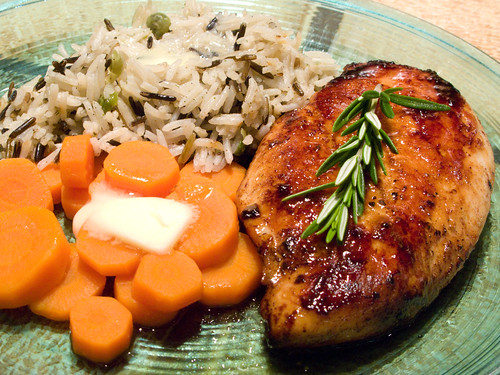
Chicken with black pepper maple sauce, wild rice, and sauteed carrots.
He ate the chicken and rice but avoided the carrots like the plague.

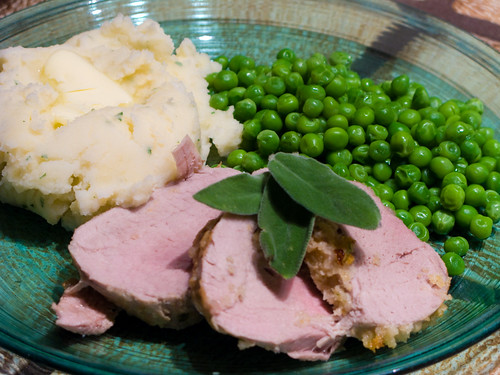
I can't wait until this is pork tenderloin from OUR pigs.
He ate the mashed potatoes, but the peas were given the middle finger.

I enjoy making vegetarian dinners as well, like my famous chimichangas made with TVP and some other secret ingredients that I got die-hard meat-eaters to think was ground beef and scarfed down without hesitation. Other veg options include homemade flatbread pizza and greek feta croutes.

I make a lot of soup in winter, which makes it real easy to make a meal out of whatever you have on hand. I make killer french onion soup, minestrone, and beef stew (I get my mad soup making skillz from my Ma).

All that being said, I figure our biggest food costs in the long term (i.e., after we establish our meat and potentially dairy animals) will come from nuts, specialty dairy items (like cheddar and mozzarella cheese; I plan to make feta from our sheeps' milk, although I'm not totally sure I want to be tied down to milking any animals yet so I might try to source this locally), flour for bread and pasta making, spices, and wet ingredients like vinegars, oils (I have a weak spot for gourmet varieties), honey, nut butters, and hot sauces (although I plan to grow a variety of hot peppers, including the jolokia!).

Oh yea, and booze. We do love our liquor.

I think I've become pretty adept at preparing simple meals with homemade sauces in short order - I rarely consult a cookbook anymore, although I do go through waves of recipe hunting when I need new inspiration or get bored in the kitchen. Most recipes are just variations of something else, it seems.

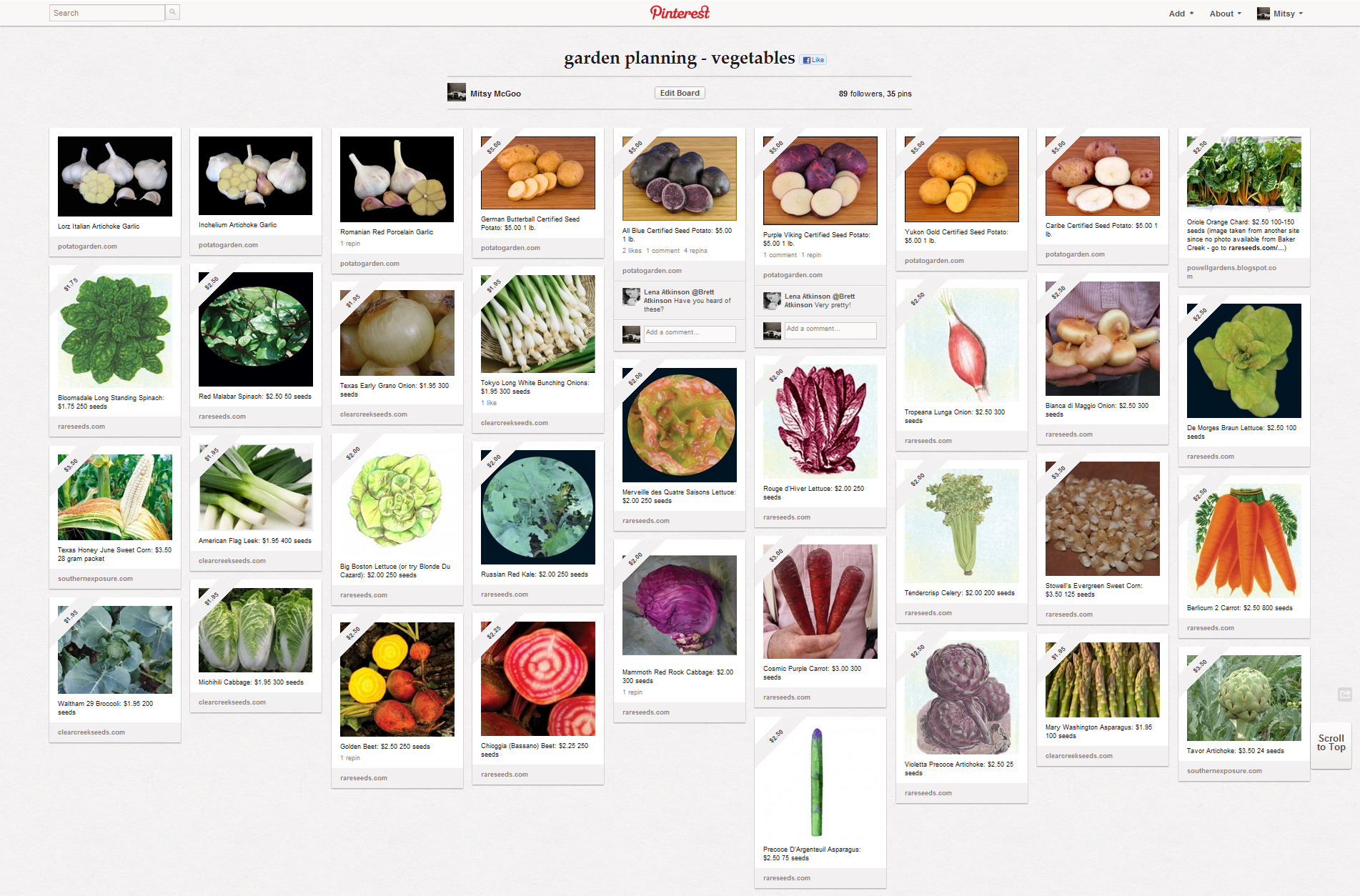
So now that you are (probably uncomfortably) familiar with what we like to stuff our faces with, here are my vegetable selections:
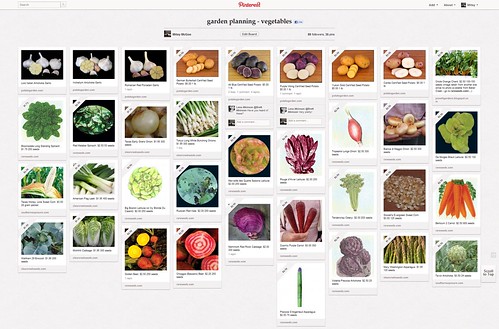
Larger version here.

And here are the garden fruits we plan to grow:
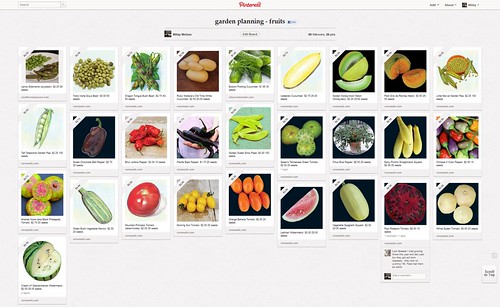
Larger version here.

What can I say, we love tomatoes (helloooo marinara sauce, salsa, caprese salad, bloody marys, BLTs, sun-dried tomatoes... need I go on?) and hot peppers (we've lost count of how many bottles of Dave's Insanity Sauce we've consumed). Jay wants pickles (mmmm, Chicago dogs). I like broccoli, asparagus, and beets, which he has little interest in (although he did like my beet candy, so as long as I make them not taste like dirt). We both love artichokes, especially when I stuff 'em with seasoned croutons. I love potatoes and corn, and he'll certainly eat them if put in front of him. Onions are pretty important for cooking in general. But garlic is absolutely mandatory. I use it in just about everything (hence, the three varieties of garlic).
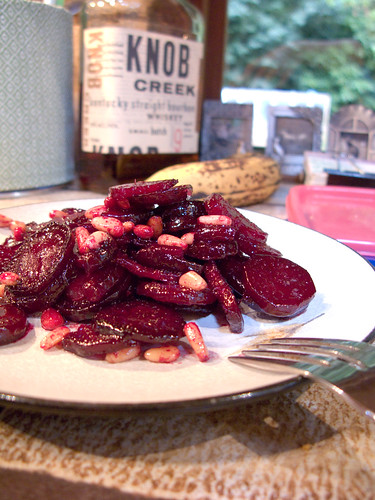
That's right, beet candy. You heard it here first, friends.
(I highly recommend including the whiskey.)

It makes me happy to see a variety of colorful vegetables and fruits in my garden and refrigerator (plus they say that's the best way to eat healthy: with myriad colors and textures), and if I have any hope of making a honor farm stand a viable future income source (albeit probably very small), I figure I should grow things that are visually appealing in addition to being delicious and nutritious.

What are you growing or plan to grow that I haven't included in my future garden arsenal?

~ Mitsy

Wednesday, February 29, 2012

blowing this popsicle stand

Wow, what a slacker.

True, I've been ignoring my mountainstead ramblings, but I certainly haven't been ignoring the mountainstead itself. This is probably partly because there are so many ideas and future projects and potential plans related to the the land swimming through my head right now that I feel a bit at a loss as to what to blab about next.

Whatever, I'm just going to spew forth a bunch of brain activity and y'all can sort it out to your liking.

First off, we've decided to move to the holler in 2012 (we originally were planning on 5 to 10 years down the road, then it was 3 to 5, and then it was 2) . We're of the mindset to not force anything if it doesn't work out that way for whatever reason, but that is our goal. We will be putting our house on the market in late Spring or early Summer to hopefully tap the peak buying season. We briefly considered renting it out and had some options there, but none panned out. Obviously, this is probably the worst time in history to sell a house, but we hope to at least break even, and that is a price we're willing to pay to get out this year. While it might make more sense to continue saving and wait the market out, you only live once dammit, and we're okay with sacrificing some extra dollars for freedom at our mountainstead paradise. Talk to me again in nine months when I still haven't figured out how to make any money, and I may be singing a different tune, but Jay and I are on the same page with this issue, so at least we've got that going for us.

Getting a house ready for sale is a big, fat pain in the ass. All those little things that need to be fixed that you ignore on a daily basis are suddenly not so little any more. Case in point, we have a gutted bathroom (not so little now that I think about it) that's been sitting that way for far too long. But when you have two other bathrooms to utilize, electronics, gardening adventures, traveling, entertainment, and toys in general seem so much more appealing to spend money on. I'm not complaining - we've been putting things off that now need to get done, but sheesh, it's a real bucket list. Let's just say I'm going to be doing a lot of painting in the next month or so (and it's not like I haven't already painted a thousand fucking walls already).

Anyway, to keep our spirits high, we booked another trip out in April and are super excited to see the holler in all its Springtime glory. We're looking forward to flying into the Tri-Cities airport instead of Knoxville since it's 30 minutes closer, and you can bet your permaculture ass that I finagled our miles into first-class seats in that cramped steel tube again. I would honestly rather drive than sit in coach ever again - what a snob! Unfortunately for us, we won't be accruing miles at anywhere near the rate we do now once we move, but that's okay because I don't think we're going to be doing much flying anyway because we will already be in paradise.

We don't really have a list of things to do (yet) like last time (something to sit and sleep on, for example), so it is more of a vacation than a setting-up-shop trip. I did, however, learn that I might want to try planting some jerusalem artichokes and possibly other delicious fodder in the pasture area I've chosen for our future swine, so I will be fervently researching that before our trip.

I think I might also buy a can of biodegradable inverted spray paint so that I can outline my future garden according to this piece of OCD planning psycho-ness:

I just can't help myself.

This is what happens when you buy land and have to wait a bit before moving to it. You enter Mitsy McPlanner overload mode.

Funnily enough, I had another version before this one but ended up scrapping the whole thing because it was based on Google aerial imagery, and then I discovered that Bing recently updated their maps with imagery from FALL 2011. I texted Jay immediately about this newfound fortune, and he responded with a simple smiley face because he knows his wife is totally batshit crazy. Good man, he is.

To summarize the above diagram (since it's hard to fit text in there, even with Bing's incredible satellite resolution):
  • The left side is comprised of livestock paddocks and paths leading from the barn (I had to reconsider my sunburst paddock design because someone much smarter than me advised that long, skinny paddocks can be troublesome)
  • The big green polka dot grid is fruit trees (and potential forest garden) on a north-south axis for maximum sun (I'm not totally sure if I have this right - hell, I don't know if I have any of this right!)
  • The yellow outline is the pig pasture, which I intend to segment further into paddocks (with the giant chestnut tree's day-long shade pattern colored in dark gray so I can make sure the piggies get adequate shade in each paddock)
  • The teal blob is a pond, although I really don't think a pond would be very practical (I just want some water to sit in so maybe we'll make a hillbilly hot tub instead)
  • All the pretty colors are raised beds with specific vegetables and fruits, the legend to which ONLY I KNOW and you're better off not knowing anyway so you can't make fun of me, but suffice to say, they are grouped according to height (so crops are not shaded unless intended so) and mutually beneficial characteristics (aka, companion planting), among other things
  • Jay requested that some of the existing turf be kept, so I've devoted a few nice lawn spaces for purely aesthetic purposes and naked sunbathing (you can now understand the benefit of living in a private holler)
  • The dark gray shaded area above the big cabin is for automobile parking
  • The white outline at the bottom is fencing for the dogs because I still don't fully trust the big red dog. The white grid within is for my pet chickens that I probably can't put in with the future meat birds (with perimeter that the big red dog can patrol because nothing is going to mess with 180 lbs. of monster dog)
  • The meat chicken flock will likely reside in a portable coop within the paddocks alongside whatever other livestock we graze there
This will likely be revised once again because I've been learning about swales, which require long, unbroken garden beds, and how they can help cut down on irrigation needs (I worry about draining our springs). Oh, don't worry, any future revisions will get posted here pronto - I wouldn't want to keep you up at night wondering what other possible incarnations of this I think up.

SOON.

Peace out,
Mitsy

Thursday, February 2, 2012

rotational grazing and paddock/pasture design

I know I'm getting way ahead of myself here, but the planner fanatic in me is taking over my brain and trying to figure out what might be the best way to fence our pasture into individual paddocks for rotational livestock grazing.

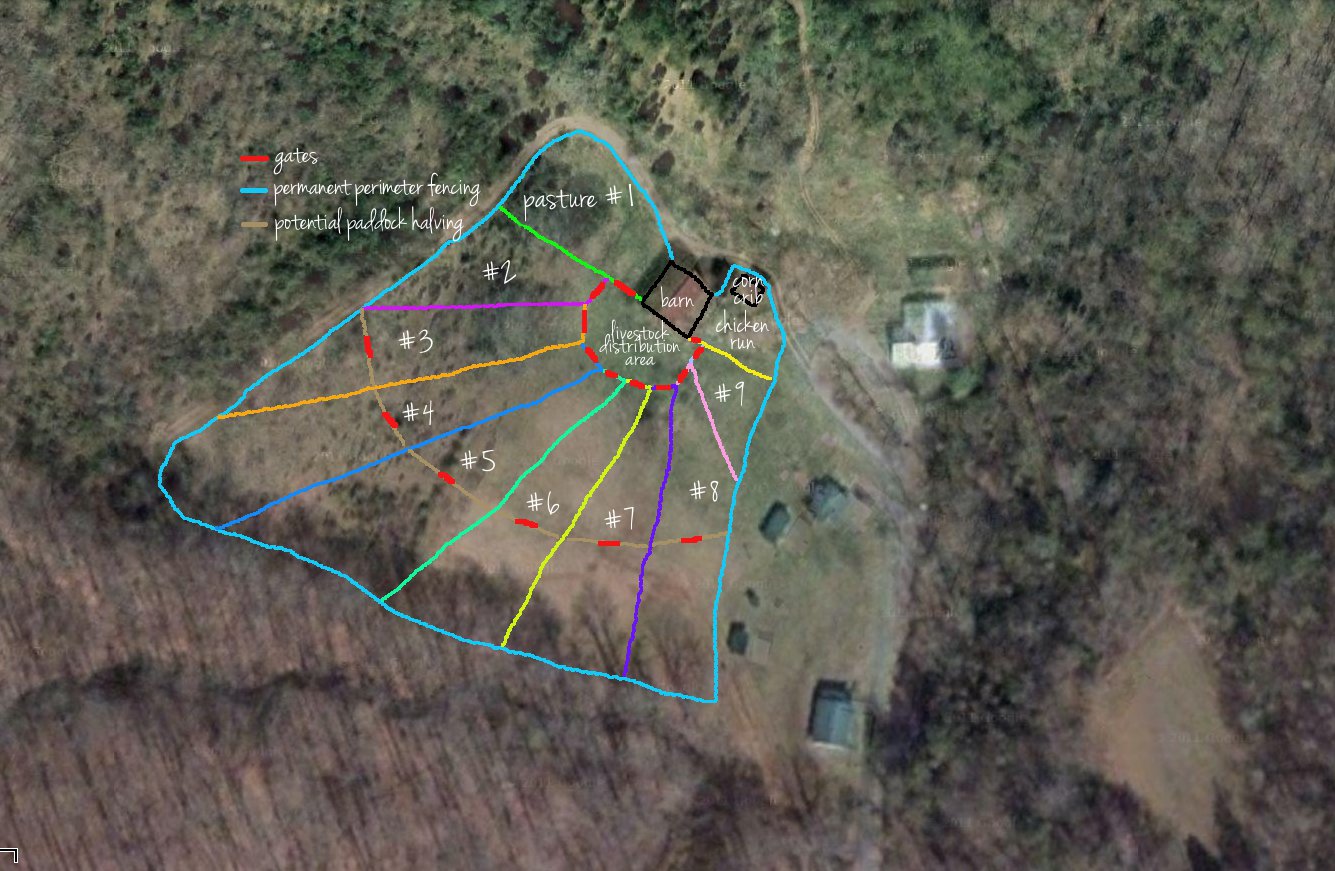
Trying to determine what fences should go where when we're not totally sure how many animals we even want yet seems like a futile effort, so my thought process is to design a master plan that will allow us to build paddocks as we need them utilizing the placement of our turn-of-the-century barn that also permits design modifications if it just doesn't work well in real life like it does on paper.

Best to enlarge this so you can read my anal-retentiveness. Yea, I like pretty colors.

We think that it might be wise to use the old corn crib as a chicken coop. The chickens would have their own run (for when we're lazy and don't want to herd them into a paddock), but this design would also let us turn them loose to graze (do chickens graze?) with the cattle and/or sheep. The cattle and sheep eat and poop, and the chickens follow behind eating bugs and spreading the cattle/sheep manure around as well as adding their own. I'm not totally clear on the details of mob grazing yet, and I'm not sure that we want to have as many animals as what is needed for that method, but I imagine this layout or some variation of it will allow us to still rotationally graze at least.

So once the livestock has grazed one paddock, however long that takes, we move them into the next paddock and let the previous one recover for however long is needed for it to grow back. This may mean that the paddocks need to be much smaller than what I have outlined (hence, the "potential paddock halving" lines on my illustration), but my math skills suck and I'm not going to even pretend that I want to calculate livestock consumption needs versus what we have available (my brain hurts already), so we'll only know that once we start actually grazing our livestock. Trial and error! We are open to the fact that we might need to actually go buy some hay, but we definitely like the idea of not having to buy supplemental feed, which I think justifies my ridiculous over analysis.

By the way, I'm going to call this the Mitsy's Bitchin' Sunburst Paddock Design because it reminds me of that cool stylized Japanese sunburst/sunrise art. Like this:

Vector-style pop art from a photograph of my hot hub playing shuffleboard down at the country club (July 2006).
I clearly knew that stylized Japanese sunbursts would someday make their way into my paddock plan.

Using the handy Planimeter site courtesy of ACME as well as the Tennessee Property Viewer site, I estimate the amount of permanent perimeter fencing needed to fence in our grownup pasture area to be approximately 1,500 linear feet. Jay's brilliant idea is to follow the already carved out treeline that borders this area in order to save on fence posts and what not. We've already discovered this method used on our property with some old fencing that is no longer usable up on the ridge, so if it worked for whoever installed it way back in the day, we don't see why it wouldn't work again.

Temporary, movable cross fencing is less expensive than permanent fencing, but based on this design, I estimate the cross fencing will total at least 2,600 linear feet, including my "potential paddock halving" (about 2,200 without). My design also includes 16 gates. My gut tells me that we're gonna be building a lot of our own gates to save on costs. I have purposely focused on livestock breeds that are relatively easy to contain and happy to graze within their confines without much fuss. I've read that Highland cattle are so docile that they really only need single-strand electric fencing.

Which brings me to my next point: goats. Goats are escape artists. They can unlock gates and hop fences and shit. I'm a huge animal lover and proponent of ethical animal husbandry, but I want livestock to eat, not chase around our farm. I'd rather get my cute dose of the day from animals that I can reliably control. Like dogs and cats. So no goats. I say that now, lol

I learned yesterday that pigs really like, among other things, chestnuts. We have a big ass chestnut tree in the field where the old farmhouse used to be. As in, almost as big as the barn! So it would make sense to put some piggies there where they can fatten up on chestnuts and till the soil for me for future garden space.


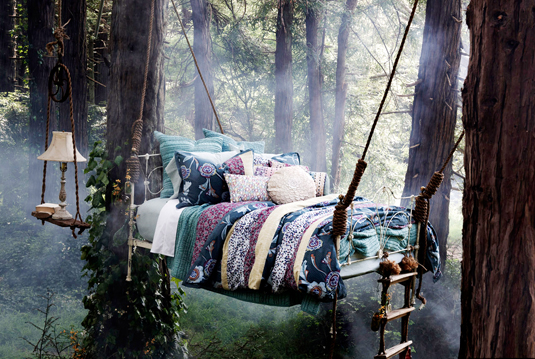
Then if we need to move them somewhere else, I'd like to try fencing in some woods so that they can clear the underbrush and create a pretty forest setting so I can do something like this:

Wishful thinking, I know.

This design also assumes that we will use the barn to house the animals instead of just throwing some make-shift animal shelters out there. I haven't yet figured out how rotational grazing might work with that method. Would we have to move the shelters into each new paddock or would the animals accept a new shelter every time we moved them?

So, yea, that's a lot of fence. Lotsa fence = $$$$. But my clever design will hopefully allow us to build our fences as we add more animals and as we can afford it. Even the permanent perimeter fencing could wait to be installed if money is tight.

I'd be so lost without aerial imagery.

Tuesday, November 8, 2011

maps

I am a total map addict. Crazy for 'em, I tell ya.

When I was a kid, I was the official navigator on the bazillion road trips my parents dragged me on. And holy moly, when I got my hands on my first GPS unit for my automobile, I just about dropped it out the window with excitement. Now I have 4G navigation on my smart phone, and guess what lead me down the long winding driveway to the holler in the middle of the night in a place I'd never been before, just me and my MiL? Google Navigator, baby. Topo maps, aerial imagery maps, vintage maps, trail maps, star maps, if it's a map, my eyes belong on it. I LOVE maps.

So I'm going to inundate you with a timeline of aerial maps of the holler ranging from 1997 to 2009 as well as a overview of the various outbuildings on our property. The interwebs are so freaking awesome, amiright?

March 16, 1997 aerial image depicting location of farmhouse, single-wide trailer,
and pastures, all of which are now gone or “grownup” (aka, overgrown).

September 17, 2003: RV canopy would soon become little cabin.

December 4, 2006: RV canopy transformed and farmhouse gone.

Topo map showing barn location and approximate boundaries.


Isn't it fascinating to see the history of a property through aerial imagery? I only wish they had left the old farmhouse! Being the anal-retentive person I am, I plan to use the most recent aerial imagery to plot out fence lines, garden areas, pastures, animal housing, and whatever other infrastructure I can think of, much like my favorite homesteading blog, The Walden Effect, does.

Monday, November 7, 2011

water resources

When we first started to get to know our property, one homesteading aspiration that kept popping into my head was to dig an idyllic farm pond. Actually, we already have a pond, but it is very small, maybe 12 feet in diameter, located partway up the mountain, and tucked in a small hollow among the trees. It supports who knows how many frogs, turtles, and other wild critters. While kinda awesome just because of its secret location, it's not really an ideal location for supporting livestock, although we have talked about enlarging it and making it into a cool little respite up the mountain, perhaps with a little sleeping cabin and fire pit for friends or family that want to visit but have some privacy.

We have two springs, a bubbling creek, and what appears to be sufficient water to support ourselves, a large garden, and at least a few animals. If our water supply ever becomes an issue, we figure we'll try the rainwater catchment route. But considering the average monthly rainfall in our region ranges from 3 to 5 inches per month year round, I don't think we're going to be hurting for water.

One of our two springs. Free water!

500 gallon holding tank. It doesn't get any better than this, people.

This is what I envision:

Image courtesy of Creek Country Real Estate and taken from  MLS #735200,
which is also in Kyles Ford, TN. Buy it and come be our neighbors!

We might have a pretty ideal spot near where the old farmhouse use to be. We were told by the former owner that a farmhouse that was built around the same time as our barn used to exist in the meadow above our spring. The house was falling apart, so they disassembled it and sold the vintage wormy chestnut logs and wood that originally formed the skeleton of the house. The shape of our meadow kinda reminds me of the image above, so it might be a good spot, although we were warned to be careful when digging a new pond because you don't want to drain your spring!

Forgive my crappy MS Paint representation of a pond.

I've read that ponds can be a rather delicate undertaking. You must ensure that it is dug properly, has some sort of overflow relief, has an efficient liner if your soil does not have enough clay in it, and supports the ideal ecological makeup for your area so that maintenance can be kept to a minimum. I'm not real sure that this location would be ideal for the livestock we end up with either, but wouldn't it be awesome to go skinny dipping in it on a hot summer night? YES PLEASE.